Dense breast tissue can hide abnormalities on a mammogram. Learn why breast density matters and which supplemental screening options to ask about.

Once you know you have dense breasts, the next question is often, “What does this mean for me?” Understanding breast density helps you have meaningful conversations with your healthcare provider and make confident decisions about your screening plan.
Breast density is now part of the conversation for many women. Since September 2024, mammography facilities across the United States have been required to tell patients whether their breast tissue is dense. If you recently noticed this on your report, you are far from alone.
Why Density Matters
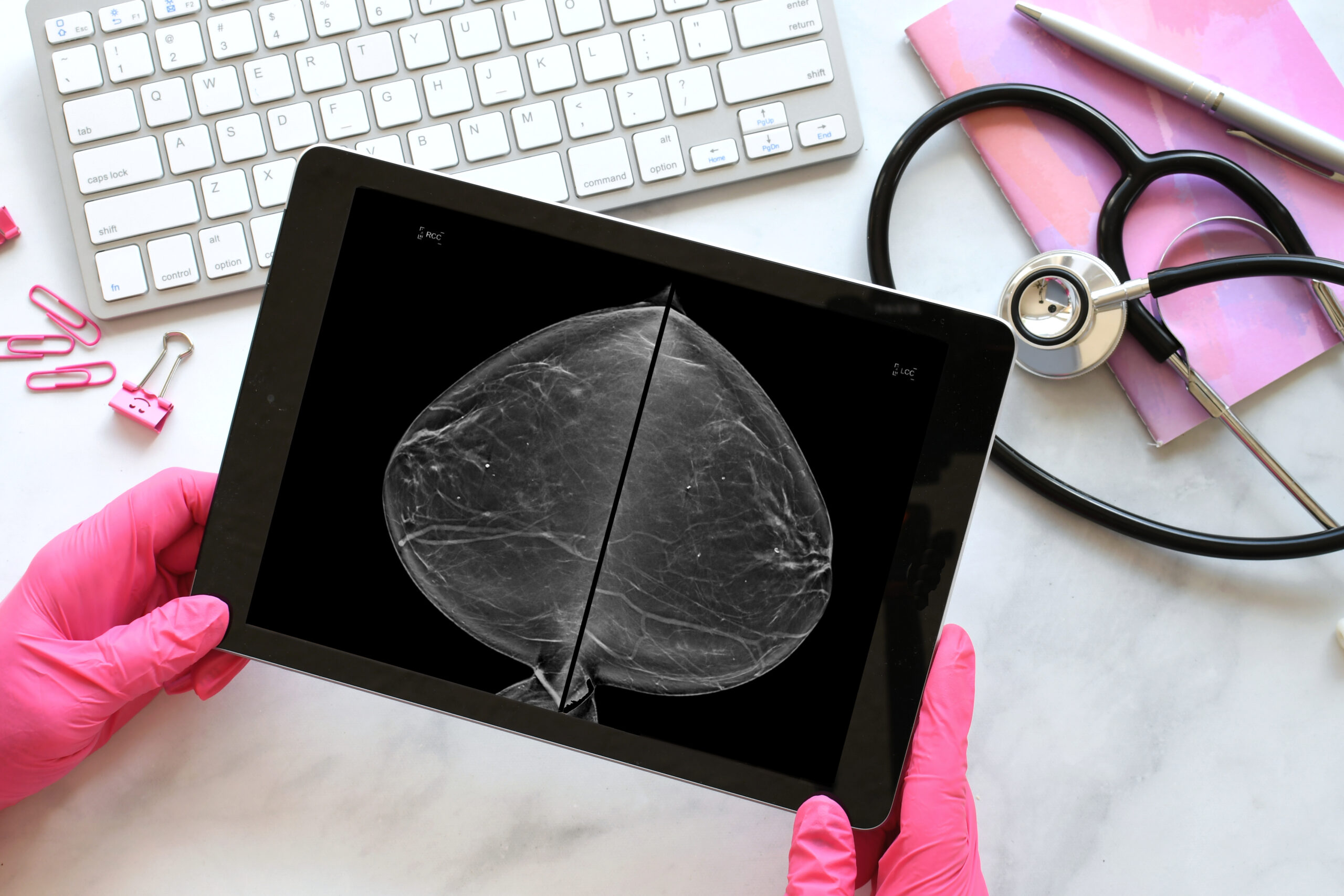
The challenge with dense breast tissue is that both dense tissue and potential abnormalities appear white on a mammogram. To understand this, consider the “snowball in a blizzard” analogy: trying to find a small abnormality in dense tissue using only a mammogram is like searching for a snowball in a blizzard. The lack of contrast can make early detection more difficult for radiologists.
In breasts with more fatty tissue, the background on a mammogram looks darker, so a small white spot stands out more easily. In dense breasts, that same spot can blend into the surrounding tissue.
Dense breast tissue is also associated with a modestly higher risk of developing breast cancer. This does not mean that something is wrong. It simply means density is one piece of information your provider may consider when planning your care.
Mammography Still Matters
Routine mammography remains the foundation of breast cancer screening and should continue according to your provider’s recommendations. Mammograms can detect certain early changes, such as tiny calcifications, that other tests may not show.
Having dense breasts is not a reason to skip your mammogram. Instead, it may be a reason to ask whether an additional test could give you a more complete picture.
Supplemental Screening
Because of the “blizzard effect,” some women benefit from supplemental screening in addition to their mammogram. The most common options include:
- Automated Breast Ultrasound (ABUS): uses sound waves instead of X-rays to capture standardized images of the whole breast. On ultrasound, many abnormalities appear darker against the bright background of dense tissue, which can make them easier to see.
- Handheld breast ultrasound: performed by a technologist to look closely at a specific area, often when a question comes up on another exam.
- Breast MRI: usually recommended for women at higher risk, such as those with a strong family history or certain genetic changes.
Automated Breast Ultrasound (ABUS) is often a logical next step in the screening journey because it involves no radiation and no compression, and it is designed specifically to complement mammography in women with dense breasts.
Other Factors That Shape Your Screening Plan
Breast density is only one part of your overall picture. Your provider may also consider:
- Your age and personal medical history
- Your family history of breast or ovarian cancer
- Any previous breast biopsies or findings
- Genetic test results, if you have had testing
Together, these factors help determine whether routine mammography alone is enough for you or whether supplemental screening may be helpful.
Questions to Ask Your Provider
- Do I have dense breasts, and which density category am I in?
- Am I a candidate for supplemental screening?
- Which screening option is right for me, and how often should I have it?
- Will my insurance cover additional imaging?
Conclusion
Every woman’s screening plan is unique. Knowing your breast density gives you the information you need to ask the right questions and take an active role in your breast health.
To learn more about one supplemental option, read our guide: What Is ABUS? Understanding an Important Supplemental Breast Screening Option. If your provider recommends breast ultrasound, PrimaVue Diagnostic Imaging offers ABUS breast screening at our Beverly Hills office at 50 N La Cienega Blvd, Suite 205. Call (310) 598-6208 or book a visit online.