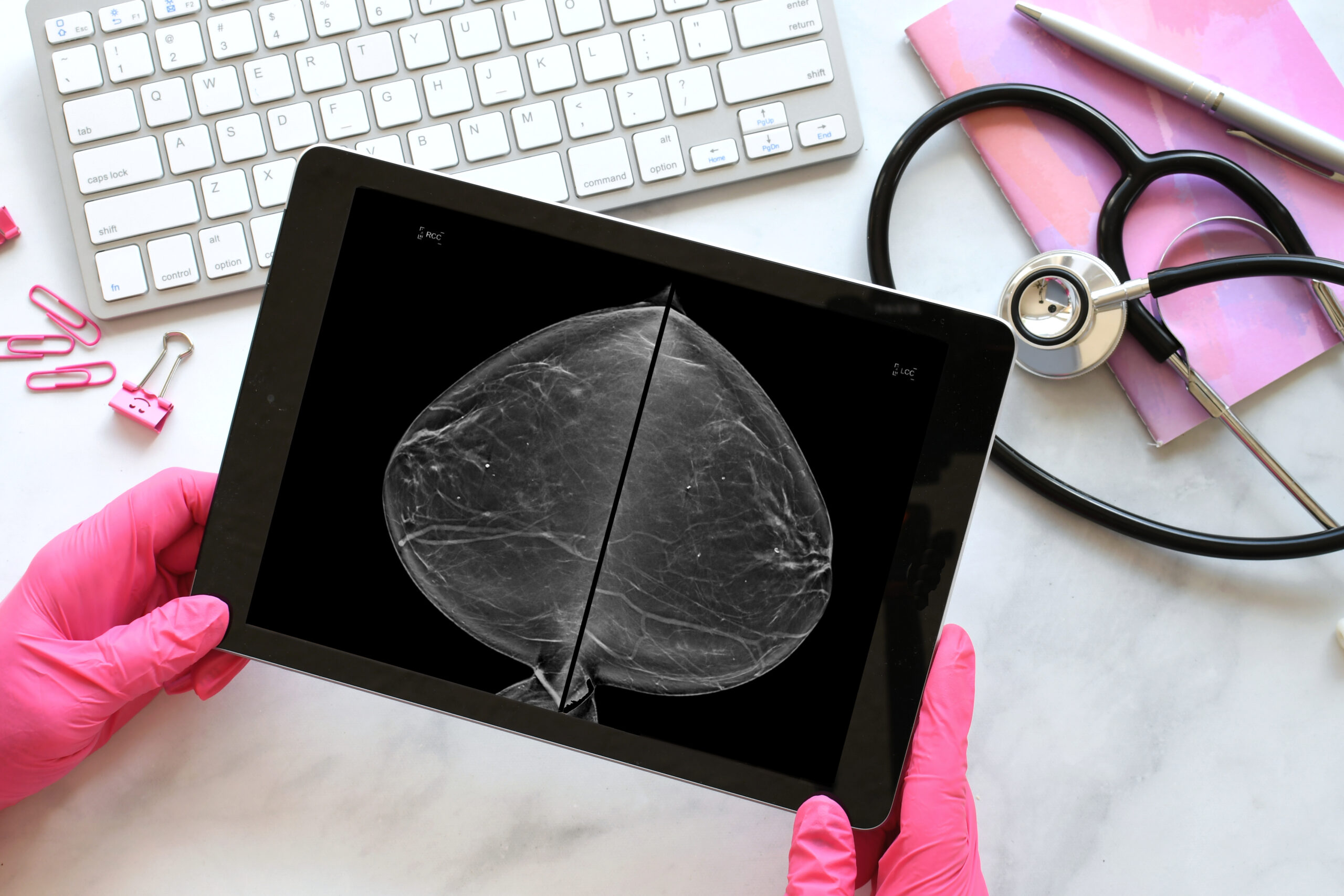
Nearly half of women who get mammograms have dense breasts. Learn what dense breast tissue means, why it matters, and what to ask your provider.
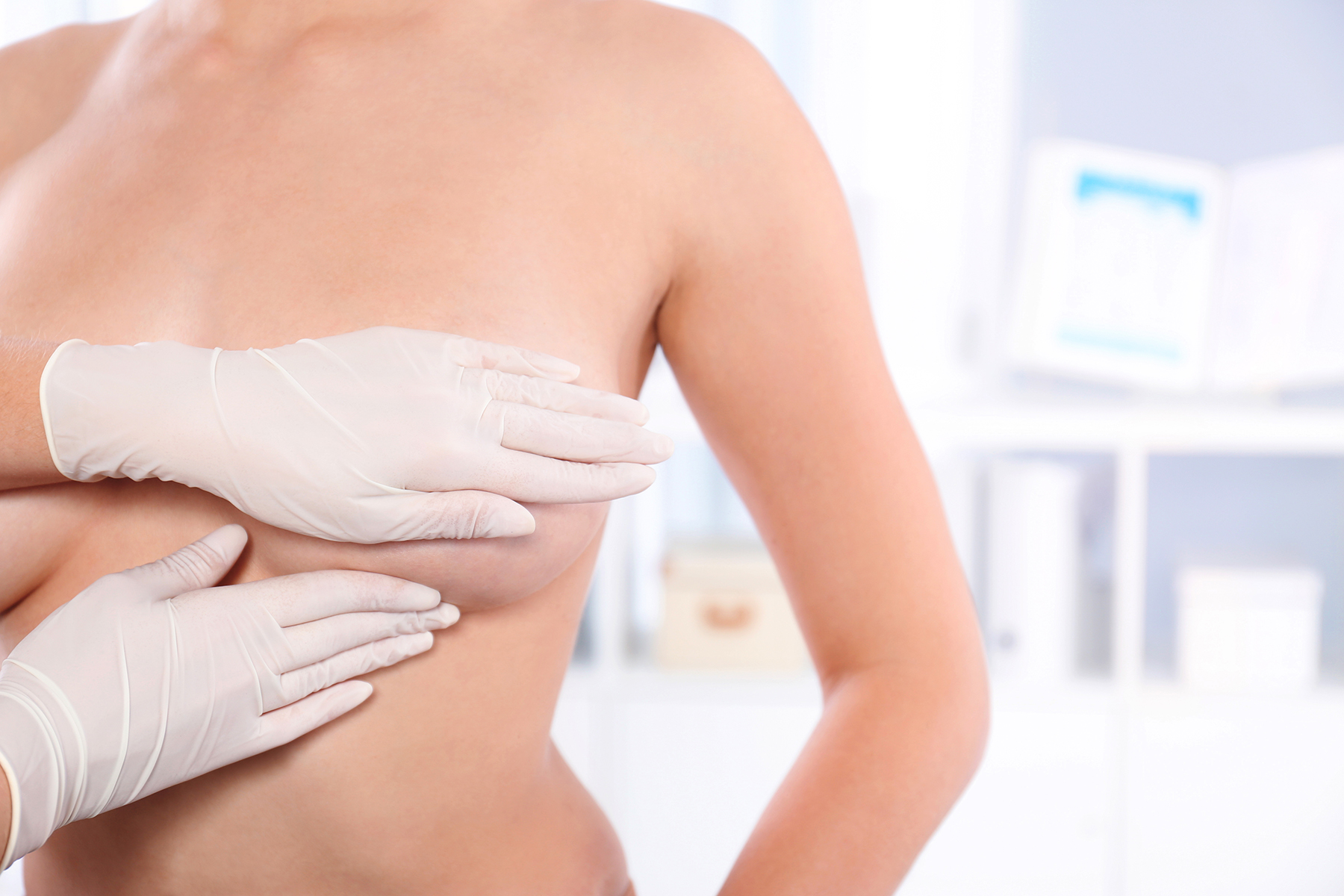
“You have dense breast tissue.”
If you’ve ever read those words on your mammogram report, you’re not alone. In fact, one of the first questions many women ask is:
“Should I be worried?”
The short answer is no.
Having dense breast tissue is very common and, by itself, does not mean something is wrong. But understanding what breast density means can help you have more informed conversations with your healthcare provider and feel more confident about your breast health.
At PrimaVue Diagnostic Imaging, we believe knowledge is empowering. The more you understand your breast health, the better equipped you’ll be to make decisions that are right for you.
So, What Does “Dense Breasts” Actually Mean?
Breasts are made up of different types of tissue, including fatty tissue, connective tissue, and milk glands.
When a woman has more glandular and connective tissue than fatty tissue, her breasts are considered dense.
This is simply a description of how your breast tissue appears on a mammogram. It isn’t something you can see, feel, or determine during a self-exam.
Many women are surprised when they first hear they have dense breasts because they feel completely healthy—and that’s often the case.
How Common Is It?
More common than most people realize.
Nearly half of all women who undergo screening mammography have dense breast tissue.
Breast density can also change over time. Some women notice changes after menopause, while others continue to have dense breasts throughout their lives.
In other words, having dense breast tissue is a normal part of breast anatomy for millions of women.
Why Is Breast Density Important?
The reason your breast density matters isn’t because it’s abnormal.
It’s because it provides valuable information that helps guide conversations about your breast health.
Dense breast tissue can make mammograms more difficult to interpret because both dense tissue and certain breast abnormalities can appear white on the images.
For some women, healthcare providers may recommend discussing supplemental screening options based on breast density and other personal risk factors.
Every woman’s situation is different, which is why personalized care is so important.
What Should You Do If You Have Dense Breasts?
The most important thing isn’t to panic.
It’s to start a conversation.
Ask your healthcare provider:
- Do I have dense breast tissue?
- What does that mean for me?
- Based on my personal and family history, is my current screening plan appropriate?
Understanding your breast density allows you to become a more informed partner in your own healthcare.
The Bottom Line
Learning that you have dense breasts shouldn’t create fear—it should create awareness.
At PrimaVue Diagnostic Imaging, we believe every woman deserves to understand her breast health and feel confident discussing her screening options with her healthcare provider.
Because confidence begins with clarity.
In our next article, we explain why breast density matters and how it may influence your screening options.